Skip to content


Table of Contents
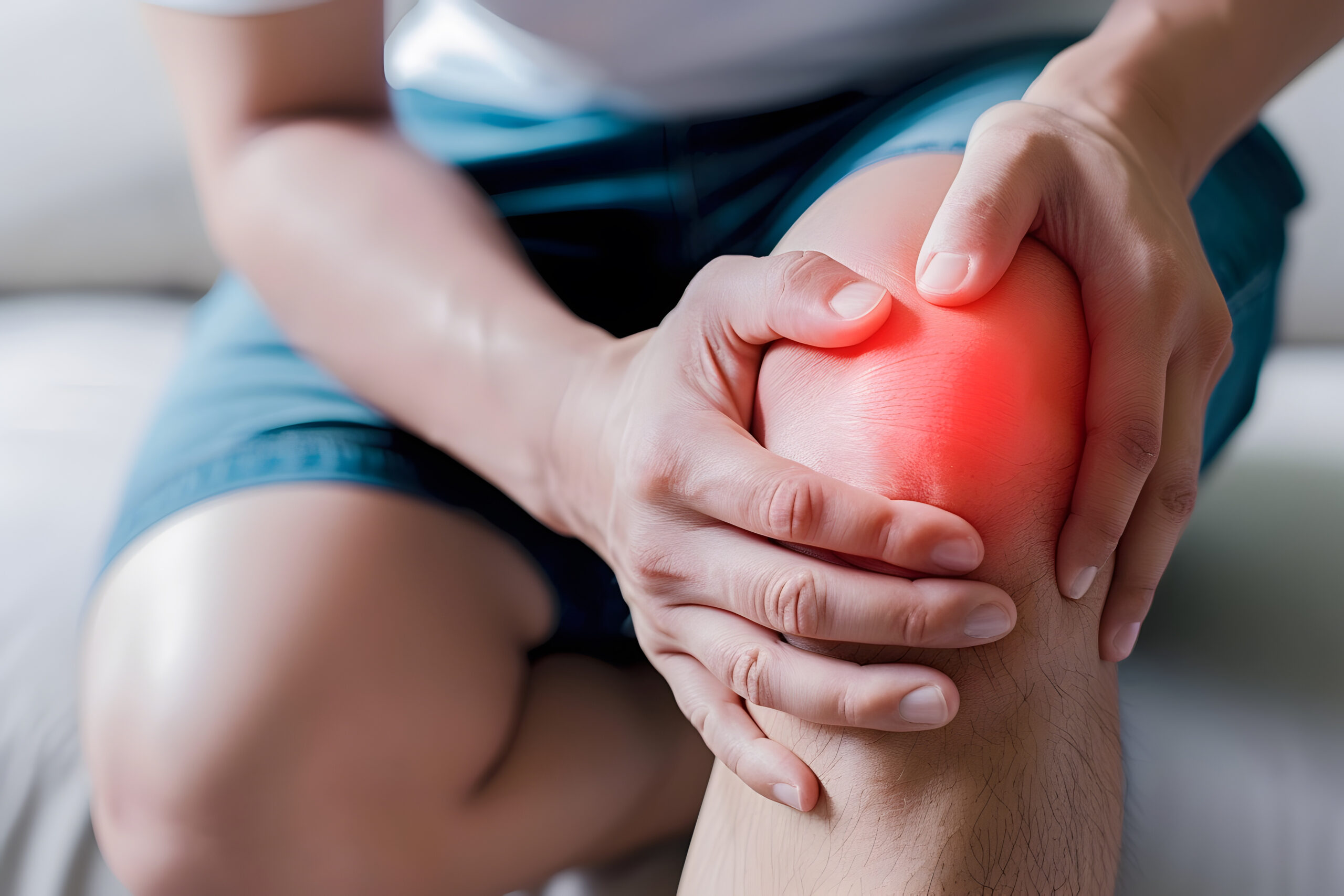
A sore knee changes small things first: the stairs you avoid, the walk you cut short, the weekend hike you quietly skip. If rest, anti-inflammatories, and physical therapy have only taken the edge off, it’s natural to start looking into regenerative injection therapy before surgery is on the table. At Real Results Medical & Aesthetics, many patients come in asking about PRP for knee pain in Scottsdale, AZ, and about prolotherapy for knee pain as another option.
Under all the research and terminology sits one practical question: could a non-surgical injection help a knee that still hurts after everything else you’ve tried?
Could an Injection Really Ease My Knee Pain?
PRP for knee pain and prolotherapy may ease discomfort for some people, especially those with mild to moderate osteoarthritis or a strained ligament or tendon. PRP uses concentrated platelets from your own blood, while prolotherapy uses an irritant solution to trigger a healing response. Most patients need a short series of injections, relief typically builds over several weeks, and results vary.
What Kind of Knee Pain Tends to Respond to Injection Therapy?
The type and stage of your knee problem shape the answer more than anything else. These injections are most often considered for:
- Early to moderate osteoarthritis, where cartilage has thinned but hasn’t worn away
- A ligament or tendon strain that keeps flaring up
- A knee that feels loose or unstable after an old injury
Osteoarthritis usually progresses slowly. It moves from thinning cartilage to a narrowing joint space and, eventually, to bone rubbing on bone. Research on regenerative medicine for knee pain leans toward the earlier stages, when there is still healthy tissue for a healing response to work with. A common starting point is pain that hasn’t settled after several weeks of rest, bracing, or physical therapy.
PRP vs. Prolotherapy: What’s the Difference for the Knee?
Both treatments aim to prompt a healing response, but they get there differently. PRP knee injections use a small sample of your own blood, processed to concentrate the platelets and their growth factors. Prolotherapy typically uses a dextrose (sugar) solution that creates mild, controlled irritation where it’s injected.
Here is how they compare on the points that matter most:
- What it targets: PRP is often placed inside the joint. Prolotherapy often targets the ligaments and tendon attachments around it.
- Number of sessions: PRP usually takes fewer injections. Prolotherapy often takes more visits, spaced a few weeks apart.
- Evidence base: PRP has more published research for the knee.
- Main trade-off: PRP requires a blood draw. Prolotherapy is simpler to prepare but requires more appointments.
Some providers combine the two when both the joint and its supporting ligaments contribute to the pain. If you’d like a closer look at each, here is an overview of the prolotherapy and PRP treatments offered at our clinic.
What Can Affect How Well Knee Injections Work for You?
Your results depend on more than the injection itself, so it helps to know what tends to shape the outcome. The stage of your arthritis matters most, since a knee with more healthy tissue usually has more to work with. Body weight and the daily load on the joint play a role too, as do old injuries that changed the way you walk or move.
What you do between sessions counts as well. People who stay consistent with strengthening work and follow their aftercare often get more from prolotherapy for knee arthritis or PRP than those who rest the knee completely or push it too hard too soon. The realistic goals are less pain and better function, and your provider can talk through which of these factors apply to you.
When Might Injections Not Be the Right Fit for Your Knee?
Injections are less likely to help with advanced, bone-on-bone arthritis or major structural damage, such as a large meniscus tear. In those cases, other options may serve you better. Your provider may also recommend waiting or choosing a different approach if you have:
- Certain blood or platelet disorders
- An active infection or a current cancer diagnosis
- A need to stay on blood thinners
- A current pregnancy
Expectations matter too. If you’re hoping for overnight relief or new cartilage, these treatments probably won’t match that. Steroid injections, hyaluronic acid, or a surgical referral may be the better conversation for some patients.
How Long Before a Series of Knee Injections Starts to Help?
Relief usually builds gradually over several weeks rather than all at once. Before the first session, expect an evaluation and a review of any imaging. You may also be asked to pause anti-inflammatory medications for 3 to 7 days, as your provider directs.
Sessions are typically spaced a few weeks apart, and PRP usually needs fewer of them than prolotherapy. Mild soreness or bruising often clears within 24 to 72 hours. Some people notice a change after the first injection, while others feel the difference closer to the end of the series.
What Else Should You Know Before Knee Injections?
Is a Knee Injection Painful?
Most patients describe pressure and brief discomfort rather than sharp pain. Providers often numb the skin first, and any soreness afterward is usually mild and short-lived. Prolotherapy may feel more tender because it involves several injection points around the knee.
Do I Need an X-Ray or MRI Before Treatment?
Imaging is often helpful because it shows how far arthritis has progressed and whether there is structural damage. If you already have recent scans, bring them. Your provider will decide whether new imaging is needed before treatment.
Can I Keep Up Physical Therapy Between Sessions?
In most cases, yes. Gentle strengthening and mobility work often supports the knee during an injection series. Your provider may ask you to ease off strenuous activity for a few days after each injection before returning to your routine.
Can These Injections Help Me Put Off Knee Surgery?
Some patients with mild to moderate arthritis find that injections help them stay active longer before considering surgery. Results vary, though, and injections are not a substitute for surgery when significant joint damage is present.
Should I Avoid Ice or Ibuprofen After an Injection?
Many providers suggest limiting anti-inflammatory medications for a short time afterward, because these treatments rely on a controlled inflammatory response. Ice is often fine for comfort. Follow the specific aftercare your provider gives you.
Is an Injection-Based Approach Right for Your Knee?
The right choice depends on what’s causing your pain, how far any arthritis has progressed, your health history, and what you want to get back to doing. A hands-on exam and a review of your imaging are what determine candidacy, not a list online.
If you’re exploring a non-surgical knee pain treatment, our team at Real Results Medical & Aesthetics can look at your history and goals. Together, we’ll find out whether PRP, prolotherapy, or a different path makes the most sense. We see patients for prolotherapy for knee pain in Scottsdale, AZ, and at our Tempe office, and we’re happy to answer your questions about regenerative medicine in Scottsdale, AZ. Schedule a Natural Pain Relief Consultation at Real Results Medical & Aesthetics today!